Posts

Internalised PDA

Image
What do we mean by internalised and externalised PDA? To understand what internalised and externalised PDA are, I think it’s first necessary to understand what PDA is. PDA stands for both a specific type of irrational, “pathological” type of avoidance, and the distinct neurotype it belongs to. PDA-style avoidance is only experienced by people fitting the PDA neurotype. PDA as a neurotype involves more traits than the irrational avoidance it’s named for: ~ massive need for personal control ~ ultra-high inborn anxiety ~ interest in fantasy and role-play ~ using social strategies to avoid every day demands (like having to put shoes on) ~ enjoying novelty PDA, as a neurotype, hasn’t been studied much. The huge majority of existing studies have focused on children with obvious traits: I.E., children who’ve kicked and screamed publicly enough for researchers to notice them.  But there are more PDAers than children who’ve stood out as obviously difficult. Many of us, for example, are adul...

Internalised PDA - the quieter, but equally impactful presentation of PDA that's hard for people to spot

Image
This blog article is also available as an animated video: click here to view it PDA research & writing has focused on externalised, freely-expressed presentations of PDA.   However, internalised PDA is often completely missed because our meltdowns are concealed and demands tend to be avoided subtly, and we slip below the radar. We internalisers though are not "less" PDA. Just like an iceberg isn’t smaller than a same-sized lump of ice on dry land: the iceberg merely looks smaller because the majority of its body is hidden from view under the water. Internalising PDAers’ driving forces are just as strong as those that drive externalising PDAers, and can lead to self-harm, dropping out of school & employment, and even suicidal ideation. I believe that internalised PDA needs to be brought into the radar. As we’re so good at concealing our traits, it takes internalisers like me to signpost people to our quieter, less accessible half of the little-explored PDA continent. T...

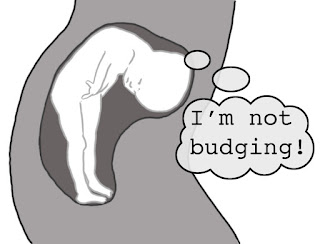
Experiences of PDA's presence at birth... and before

Image
PDA, which stands for "pathological demand avoidance" is a neurotype (life-long neurological difference) which matches criteria for autism spectrum diagnosis because it entails rigid thinking (our demand avoidance) and social communication & interaction issues. Empirical evidence for PDA is lacking, and there's an army of critics saying PDA doesn't qualify as a distinct neurotype. Some argue that PDA is a trauma response that any autistic person can experience. These arguments fail to acknowledge that PDA, as a neurotype, is more than its trait of "pathological" (AKA inborn and involuntary) demand avoidance. "PDA" refers to both our demand avoidance trait and our entire neurotype, which has the additional traits of people-focus; high anxiety; personal control-need; and propensity for fantasy & role-play. People who directly experience PDA, either because they're PDA themselves (like me), or because they have a family member  who's P...

PDA masking in detail

Image
I’m an adult PDAer author, advocate and artist who masks, and who has a ten-year-old PDA daughter who masks too.  This blog article explores PDA masking: what it is why it is carried out whether it is more common for PDAers than “general” autistic people whether masking is a universal PDA trait what are its benefits and costs What is masking? Masking means hiding true feelings behind a display of emotions we don’t really feel.  Often the masked front presented will be one of happy calmness hiding internal stress and anguish.  Sometimes also gentle emotions may be masked with aggressive ones. I had a very interesting conversation recently with a trans PDAer who said that, when trying to be the boy she thought she should be, she acted tough and aggressive, and that this had felt empowering until she realised she didn’t want to be like that; that this was not her authentic self. A form of masking is social mimicry. This means copying other people’s words, mannerisms, and bo...